
Biochemical
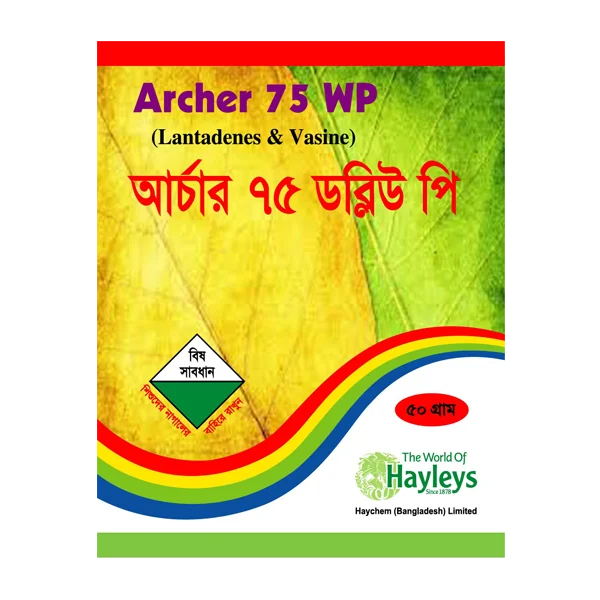
ARCHER 75 WP
A botanical disease-management formulation based on Lantana camara and Adhatoda vasica extracts. Haychem positions it for fungal problems across several horticultural and field crops.
Request availability
Official catalogue image. Confirm current packaging with the team.

Haychem’s pheromone range supports insect monitoring and, where designed for it, trapping programmes. A lure and its compatible trap work together as a system.
A quotation request is not an order. The team will confirm specifications, pack sizes and availability.
Choose using the current approved label and professional guidance. This page explains the product; it does not replace the label.
Haychem’s pheromone range supports insect monitoring and, where designed for it, trapping programmes. A lure and its compatible trap work together as a system.
Product choice should be based on the actual field or storage problem, supported by the official product information and local technical advice.
Chemical signals attract particular target insects. Species specificity is useful, but it also means a lure for one pest should not be assumed to work against another.
Product-specific information is drawn from the linked manufacturer sources. General explanations describe the ingredient or product class and are not a claim of performance for every use.
Browse company product documentsA botanical disease-management formulation based on Lantana camara and Adhatoda vasica extracts. Haychem positions it for fungal problems across several horticultural and field crops.
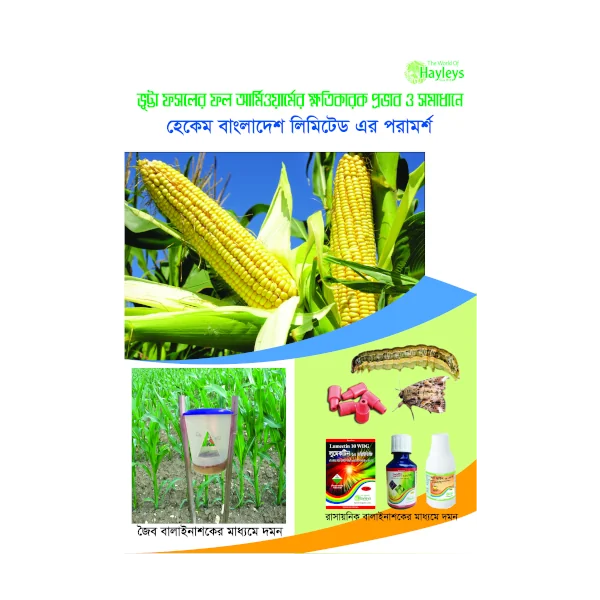
An Army Worm listing appears in Haychem’s bio-pesticide catalogue, but the public page provides no technical specification. The correct product type and target species need confirmation before use.
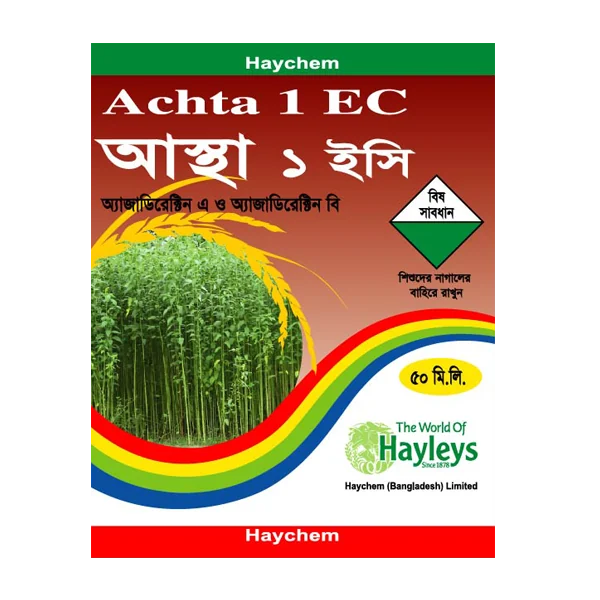
A neem-derived bio-pesticide identified by Haychem as containing azadirachtin A and B. It is presented for insect management in field and horticultural crops.
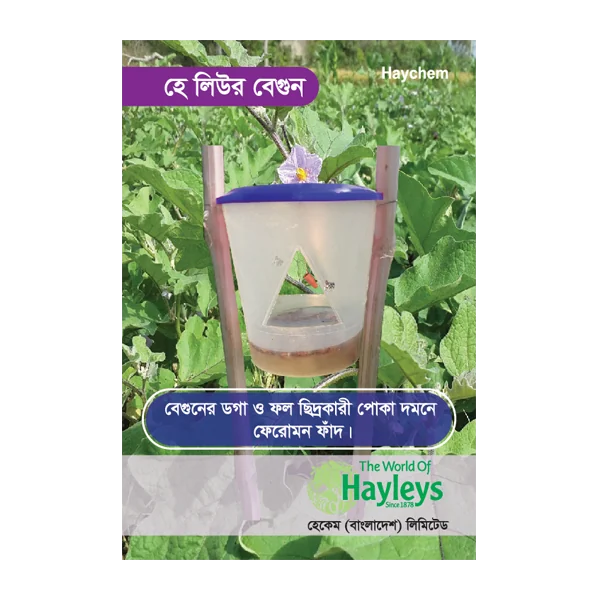
Hay Lure Begun is a species-targeted lure listed for brinjal shoot and fruit borer. Haychem identifies the target as Leucinodes orbonalis.